Discover Mlalaty: A Versatile Handwritten Font for Modern Branding
As a brand designer, I often find myself staring at a blank brand board, pondering the perfect typeface to set the tone for a new project. Today, I’m excited to share my hands-on experience with Mlalaty, a premium handwritten font that has quickly become a favorite in my design toolkit.
The First Impression: A Classy Yet Contemporary Feel
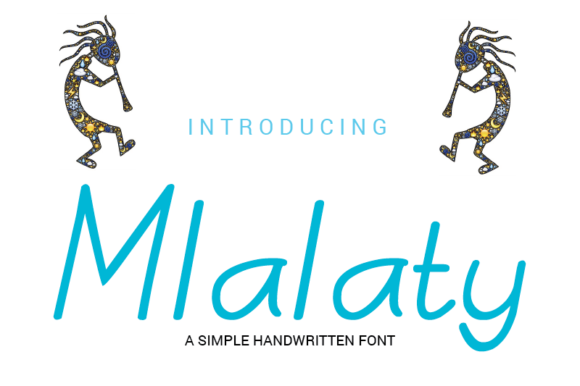
When I first opened Mlalaty, I was immediately struck by its elegant and fluid lines. The font maintains a classic calligraphic influence but feels fresh and modern, making it a standout choice for a wide range of branding projects. Its unique character and versatility make it an excellent option for those looking to add a touch of sophistication to their designs.
Mlalaty in Action: From Logo to Packaging
One of the first tests I conducted with Mlalaty was on a logo concept for a local café. The font’s flowing, hand-drawn style perfectly captured the cozy, inviting atmosphere of the café. It added a personal, human touch that resonated well with the brand’s identity. When compared to other script fonts, Mlalaty stood out with its balanced weight and legibility, even at smaller sizes.
Next, I moved on to a packaging mockup for a skincare line. Mlalaty’s graceful curves and clean lines made it ideal for product labels, enhancing the overall aesthetic and giving the packaging a luxurious feel. The font’s readability remained strong, even when used on a variety of backgrounds and textures, which is crucial for effective packaging design.
Visual Hierarchy and Brand Perception
Incorporating Mlalaty into a brand identity system, I found that it works exceptionally well as a headline and accent font. Its distinctive style helps create a strong visual hierarchy, drawing attention to key elements such as titles and headings. This makes it a valuable asset for creating memorable and impactful designs, whether it’s for a website, social media graphics, or printed materials like business cards and posters.
However, it’s important to note that while Mlalaty shines in display and short text applications, it may not be the best choice for long-form body text or formal corporate documents. In these cases, pairing Mlalaty with a more traditional serif or sans-serif font can help maintain readability and professionalism.
Font Pairing and Practical Tips
For a cohesive and professional look, I recommend pairing Mlalaty with a clean, modern sans-serif font like Helvetica or Arial. This combination balances the elegance of Mlalaty with the clarity and simplicity of a sans-serif, making it suitable for a broader range of design elements. Additionally, using a complementary serif font like Garamond can add a touch of classic refinement to your designs.
Before finalizing any client work, it’s always a good idea to test Mlalaty in various contexts. Experiment with different sizes, colors, and backgrounds to ensure it performs well across all your design assets. Also, take a moment to review the included styles, alternates, and ligatures, as they can add a unique and personalized touch to your designs.
Final Considerations and Licensing
While Mlalaty is a fantastic choice for many creative projects, it’s essential to check the commercial licensing before using it in client work, especially for brand identity, packaging, templates, merchandise, websites, digital products, or print-on-demand products. Ensuring you have the proper license will help you avoid any legal issues and allow you to use this beautiful font with confidence.
In conclusion, Mlalaty is a versatile and stylish handwritten font that can elevate a wide range of design projects. Its blend of classic and contemporary elements makes it a valuable addition to any designer’s toolkit. Whether you’re working on a boutique identity, café visual refresh, or a skincare product brand, Mlalaty is sure to make a lasting impression.